


B.Tech Course: Eligibility, Admission Process, Entrance Exams, Specializations and Career Scope
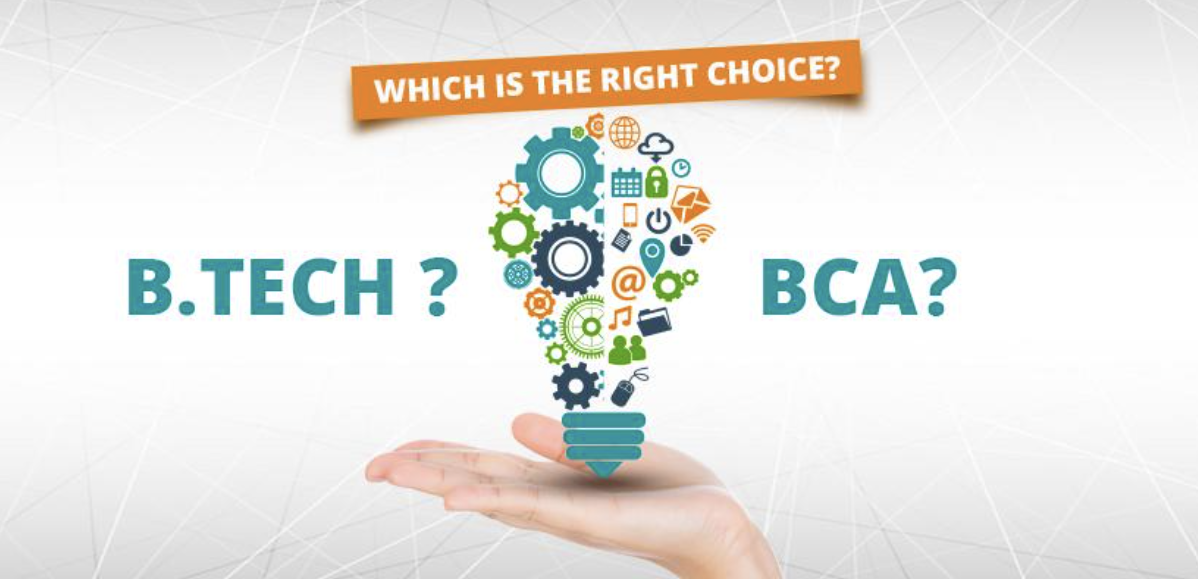
Choosing the right career path after Class 12 is one of the most crucial decisions for students, especially those from a Science background. If you are interested in technology, engineering, innovation, machines, or computers, then a B.Tech (Bachelor of Technology) degree can be the perfect choice.
A B.Tech is a four year undergraduate engineering program that equips students with technical, analytical, and problem solving skills to build successful careers across various industries.
B.Tech Eligibility Criteria
To apply for a B.Tech program, students must meet basic eligibility requirements. While requirements vary by institution, the general criteria include:
- Educational Qualification: Must have passed Class 12 or equivalent from a recognized board
- Mandatory Subjects: Physics and Mathematics are compulsory, along with one of the following
- Chemistry
- Biotechnology
- Biology
- Technical Vocational Subject
- Minimum Marks: Most colleges require 50 to 75 percent aggregate in mandatory subjects. Relaxation may apply for reserved categories
- Entrance Exam Qualification: Admission to reputed institutes typically requires qualifying in national, state, or university level engineering entrance exams
B.Tech Admission Process
The step by step admission process usually includes:
- Appear for Entrance Exam
Take national, state, or private university entrance exams - Register for Counselling or Application
Apply online to universities or centralized admission portals like JoSAA, CSAB, or state counselling bodies - Rank Based Seat Allotment
Colleges allot seats based on entrance exam scores, ranks, cut offs, and category - Document Verification
Submit academic certificates, entrance exam results, ID proof, and other required documents - Fee Payment and Admission Confirmation
Pay the admission fee to secure the allotted seat
Top Entrance Exams for B.Tech
| Exam Type | Exam Name | Purpose |
|---|---|---|
| National Level | JEE Main | Admission to NITs, IIITs, CFTIs and base exam for JEE Advanced |
| National Level | JEE Advanced | Admission to IITs |
| Private University Exams | BITSAT, VITEEE, SRMJEEE, MET | Admission to top private engineering institutes |
| State Level Exams | WBJEE, MHT CET, KCET, KEAM, AP EAMCET, TS EAMCET | Admission in state engineering colleges |
Popular B.Tech Specializations
Students can choose from various trending engineering branches based on interest and career goals.
Top Engineering Streams
- Computer Science and Engineering (CSE): Programming, AI, Machine Learning, Data Structures, Cybersecurity
- Mechanical Engineering: Machines, Robotics, Manufacturing, Automobile Engineering
- Electronics and Communication Engineering (ECE): Microprocessors, IoT, Wireless Communication, Embedded Systems
- Civil Engineering: Construction, Infrastructure, Transportation, Urban Planning
- Electrical Engineering: Power Systems, Industrial Automation, Renewable Energy
Emerging and High Demand Specializations
- Artificial Intelligence and Data Science
- Robotics and Automation
- Cloud Computing and Cybersecurity
- Aerospace Engineering
- Biotechnology
Career Scope After B.Tech
A B.Tech degree opens doors to diverse and high growth career opportunities in both private and government sectors.
Possible Job Roles
- Software Developer or Programmer
- Data Scientist or AI Engineer
- Mechanical or Civil Engineer
- Electrical Design Engineer
- Network Engineer
- Automation Engineer
- Research Engineer
- Project Manager
Employment Sectors
- IT Companies and MNCs
- Government and PSU Jobs such as DRDO, ISRO, BHEL, ONGC
- Startups and Tech Companies
- Research and Development Organizations
- Manufacturing and Automobile Industries
- Construction and Infrastructure Firms
Many graduates also pursue higher studies such as M.Tech, MS, MBA, or overseas education for career advancement.
Frequently Asked Questions
1. What is the minimum qualification for B.Tech?
You must pass Class 12 with Physics and Mathematics as compulsory subjects.
2. Is entrance exam compulsory for B.Tech?
Most reputed institutions require an entrance exam score, but some private colleges also offer direct admission.
3. Which B.Tech branch has the best scope?
Branches like CSE, AI and Data Science, ECE, Mechanical, Civil, and Electrical have strong demand across industries.
4. What is the duration of the B.Tech course?
The course duration is 4 years, divided into 8 semesters.
5. Can I get a government job after B.Tech?
Yes. You can apply for PSU jobs, SSC JE, UPSC Engineering Services, ISRO, DRDO, and many government roles.
Final Thoughts
A B.Tech degree is one of the most rewarding career paths for students passionate about engineering and technology. With the right specialization, entrance preparation, and skill development, students can build a thriving career with excellent growth opportunities in India and abroad.