

AI Is Like an Addiction
AI Is Like an Addiction
AI: A Tool for Intelligence, Not a Substitute for Thinking
Dependence on AI for quick answers instead of wrestling with problems may rob us of the rare learning that comes only through struggle.
Kabbalah, the mystical tradition of Judaism, has traditionally been associated with maturity and preparation before engaging with its deeper ideas. Perhaps this offers a useful metaphor for our relationship with Artificial Intelligence (AI). The question is not whether AI is powerful—it clearly is—but whether every powerful technology should immediately replace the intellectual effort through which young minds develop.
When AI Replaces the Struggle to Think
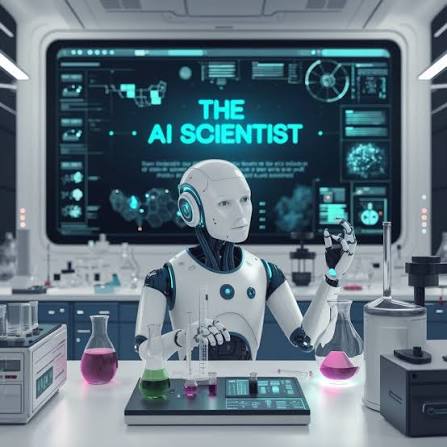
In the graduate Chemistry program where Dr. H.V.P. Singh teaches, students were allowed to use AI for research and organizing ideas, but not for original thinking and writing. The distinction was intentional.
A project is more than an assignment. It is a process through which students learn to evaluate evidence, confront uncertainty, develop arguments, make mistakes, and discover what they actually think. The struggle is not an obstacle to learning; it is learning itself.
AI can make that struggle disappear. Instead of wrestling with a difficult idea, students can ask a machine for an answer. Instead of sitting with confusion, they can eliminate it instantly.
But confusion is not failure. It is often the space where independent thought develops.
The Problem with “Augmentation”
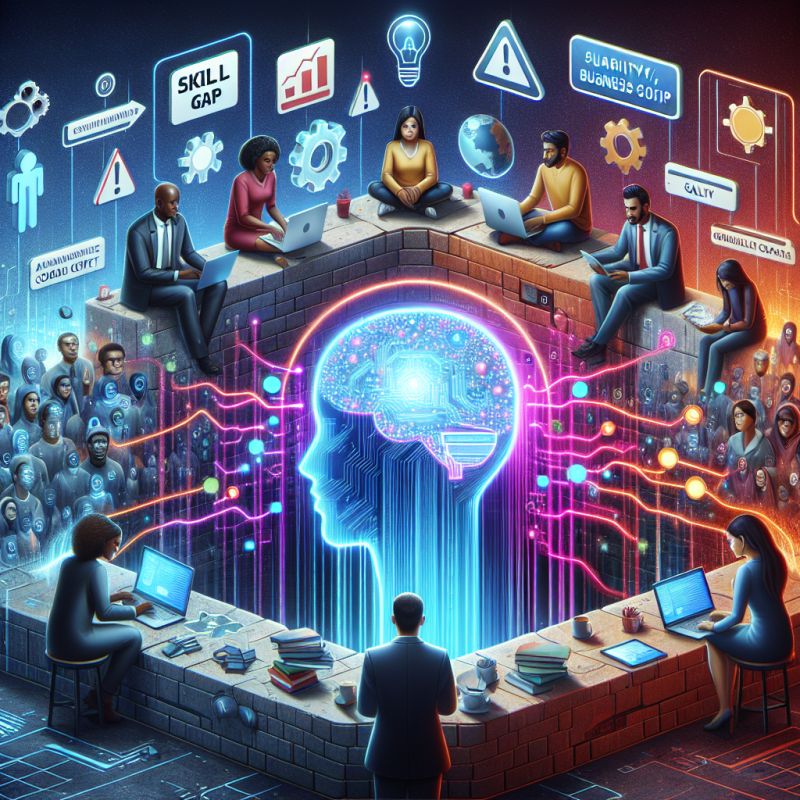
Students often describe AI assistance as simply “augmentation,” as though it only improves grammar or polishes sentences. Yet excessive dependence can change something deeper: our relationship with creativity, uncertainty, accountability, and intellectual effort.
This is especially important as AI moves beyond writing. Modern systems can generate code, fix bugs, test software, review projects, and coordinate multiple AI agents. Their growing capability makes human understanding more important, not less.
The Deeper Lesson
The traditional caution surrounding Kabbalah raises a valuable question for the AI age:
Is every form of knowledge beneficial simply because it is available?
Perhaps preparation matters as much as access.
AI is not mystical knowledge, but it reaches us primarily through language—the very medium through which we develop ideas, identities, and understanding. If we outsource too much of our thinking and expression to machines, we may gradually weaken the intellectual abilities we need to evaluate them.
The real question, therefore, is not whether we should use AI, but:
What should humans learn to do for themselves before allowing machines to do it for them?
AI should amplify human intelligence, not replace the struggle through which intelligence develops. We must allow students to experience uncertainty, write imperfectly, make mistakes, revise their ideas, and sometimes fail.
Because those experiences are not wasted time.
They are the training ground of the mind.
The goal is not to reject AI, but to develop the maturity required to use it wisely—keeping the machine our tool, not a substitute for thinking.