

Emerging Technologies Every STEM Student Should Know
Science, Technology, Engineering, and Mathematics (STEM) are transforming our world through groundbreaking discoveries and technological advancements. From intelligent machines to space exploration, emerging technologies are creating new opportunities in healthcare, education, industry, and environmental protection. For STEM students, understanding these innovations is essential for developing future-ready skills and solving real-world challenges.
1. Artificial Intelligence and Machine Learning
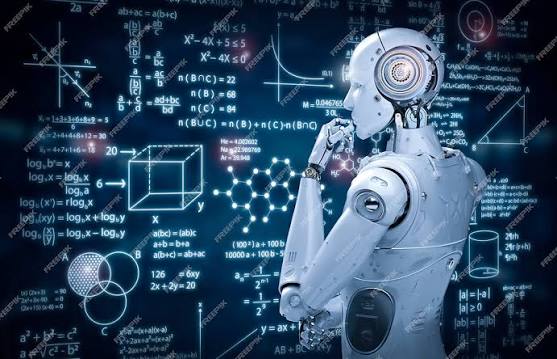
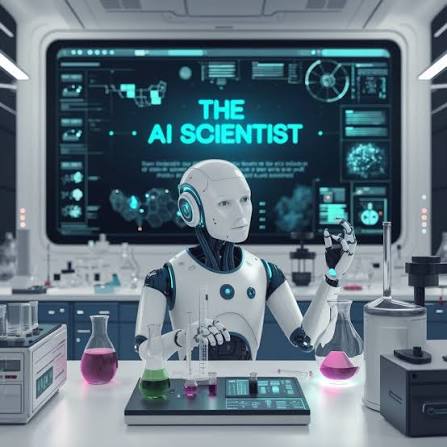
Artificial Intelligence (AI) enables computers to perform tasks that typically require human intelligence, while Machine Learning (ML) helps systems learn patterns from data. These technologies support healthcare, scientific research, robotics, and personalized education. Students can explore AI through Python programming, data analysis, and practical projects.
2. Robotics and Automation
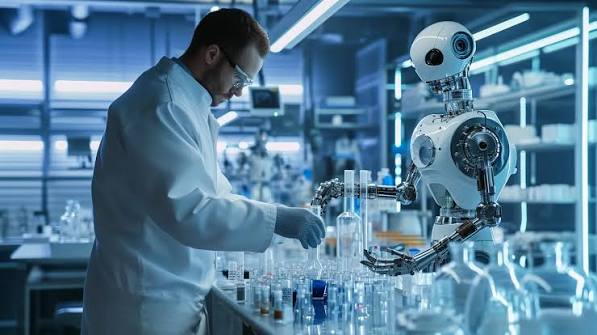
Robotics combines mechanical engineering, electronics, and computer science to develop machines that perform specific tasks. Robots are used in manufacturing, agriculture, healthcare, and space exploration. Learning robotics develops programming, analytical thinking, and problem-solving skills. Students can gain practical experience through robotic kits and microcontroller-based projects.
3. Internet of Things (IoT)
The Internet of Things connects physical devices through networks, allowing them to collect and exchange data. Applications include smart homes, wearable health monitors, industrial sensors, and intelligent irrigation systems. Students can create IoT projects to monitor temperature, air quality, humidity, and water consumption.
4. Renewable Energy and Green Technology
Climate change and increasing energy demands have accelerated the development of solar power, wind energy, green hydrogen, and advanced batteries. Green technology aims to reduce pollution, improve energy efficiency, and conserve natural resources. Students can investigate solar-powered devices and sustainable materials to understand the role of science in protecting our planet.
5. Biotechnology and Genetic Engineering
Biotechnology uses biological knowledge to develop innovative solutions in medicine, agriculture, and environmental conservation. Applications include vaccine development, disease diagnosis, and crop improvement. Genetic engineering technologies, including CRISPR, offer new possibilities while raising important ethical questions. Students can explore genetics, molecular biology, and bioinformatics.
6. Quantum Computing and Space Technology
Quantum computing applies quantum mechanics to address certain complex computational problems. Space technology supports satellite communication, navigation, climate monitoring, and planetary exploration. These fields demonstrate how fundamental scientific discoveries can lead to transformative innovations.
How Can STEM Students Prepare?
Students should develop programming skills, mathematical reasoning, scientific curiosity, communication, and critical thinking. Online courses, science exhibitions, research projects, internships, and teamwork provide valuable practical experience. Understanding the ethical, social, and environmental impacts of technology is equally important.
Conclusion
Emerging technologies are reshaping industries and expanding the possibilities of scientific discovery. By exploring AI, robotics, IoT, green technology, biotechnology, and advanced computing, STEM students can prepare for future challenges.
The future belongs to curious learners who combine scientific knowledge, technological creativity, and responsible innovation to make a meaningful difference in the world.