

Next-Generation Science and Sustainable Transformation
Innovating Today for a Greener and Smarter Tomorrow
Science and technology are transforming the world at an unprecedented pace. From artificial intelligence and renewable energy to biotechnology and advanced materials, next-generation science is creating new opportunities to address global challenges. However, scientific progress must go hand in hand with environmental protection, social well-being, and responsible resource management. This is where sustainable transformation becomes essential.
The Role of Next-Generation Science
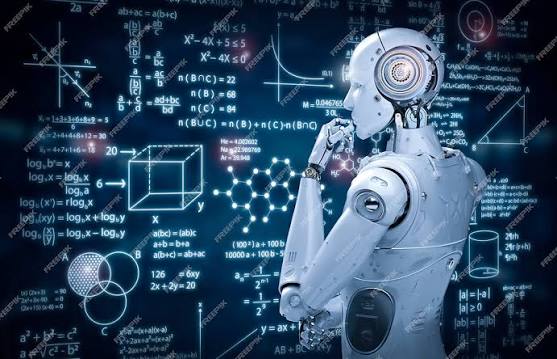
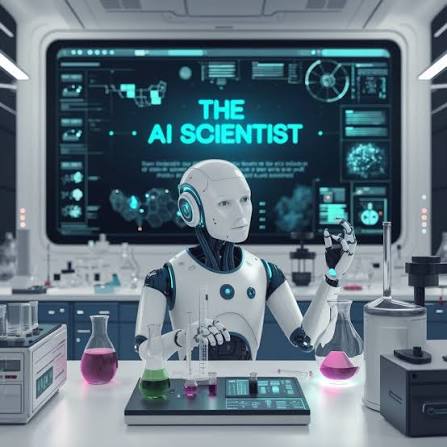
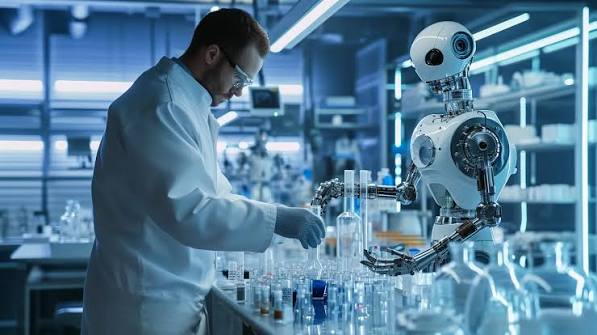
Next-generation science focuses on innovative discoveries and advanced technologies that improve human life while reducing environmental harm. Artificial Intelligence (AI), robotics, nanotechnology, biotechnology, and space science are opening new possibilities across various sectors.
In healthcare, advanced technologies support early disease detection and personalized treatment. In agriculture, smart sensors, drones, and AI-powered systems help farmers monitor crops, conserve water, and improve productivity. Similarly, scientific advancements in materials science are helping researchers develop biodegradable alternatives to conventional plastics.
Renewable Energy: Powering a Sustainable Future
One of the greatest challenges facing humanity is the growing demand for energy. Traditional fossil fuels contribute significantly to greenhouse gas emissions and climate change. Next-generation science offers cleaner alternatives, including solar power, wind energy, green hydrogen, and advanced energy-storage systems.
Innovations in battery technology and smart electricity grids can improve energy efficiency and make renewable energy more reliable. By adopting these solutions, societies can reduce pollution, conserve natural resources, and move towards a low-carbon future.
Sustainable Transformation Through Innovation
Sustainable transformation involves changing how we produce, consume, travel, and manage resources. Scientific research supports this transition through energy-efficient buildings, electric mobility, precision agriculture, water purification, and waste recycling.
The concept of a circular economy is particularly important. Instead of following the traditional model of producing, using, and discarding products, a circular economy emphasizes reducing waste, reusing materials, and recycling resources. Such practices can protect ecosystems and encourage responsible consumption.
The Role of Students and Young Scientists
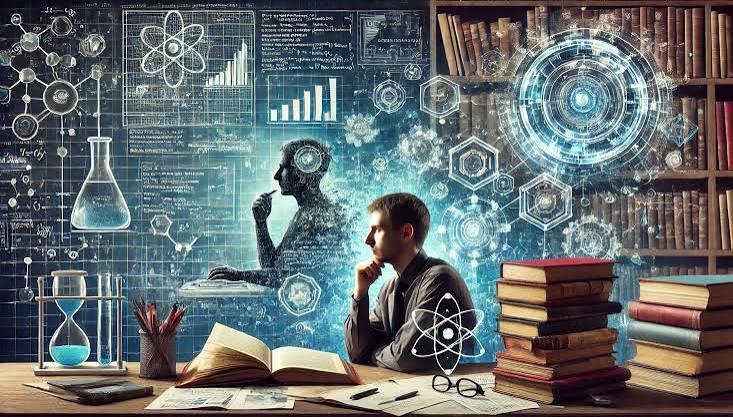
Students are the future innovators, researchers, and environmental leaders. By developing scientific curiosity, critical-thinking skills, and problem-solving abilities, they can contribute to meaningful change. School and college students can participate in science exhibitions, renewable-energy projects, waste-management campaigns, and water-conservation initiatives.
Young scientists must also understand that technology should be used ethically. Every innovation should be evaluated not only for its efficiency and profitability but also for its environmental and social impact.
Conclusion
Next-generation science provides powerful tools to build a cleaner, healthier, and more sustainable world. Nevertheless, technology alone cannot solve every challenge. Responsible policies, public awareness, scientific education, and collective action are equally important.
The future of our planet depends on how wisely we use scientific knowledge today. By combining innovation with sustainability, we can transform present challenges into opportunities and create a greener, smarter, and more resilient future for generations to come.
Add a stronger opening hookInclude specific student actions