

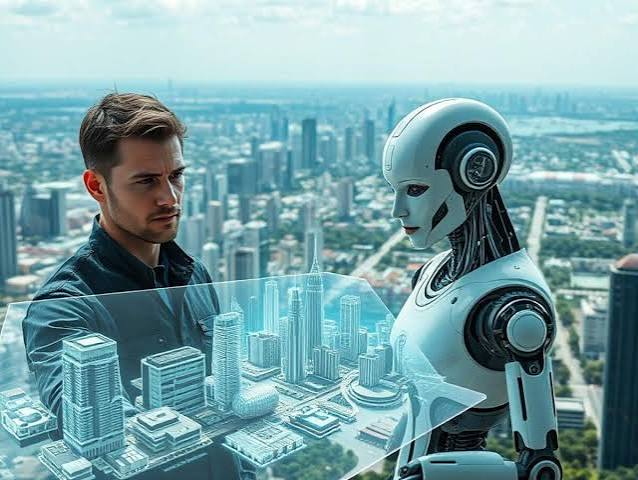
AI vs Traditional Study Methods: Which Works Better for Science Students?
Science education has always depended on curiosity, practice, observation, and logical thinking. Traditionally, students have learned through textbooks, classroom lectures, laboratory experiments, notes, and discussions with teachers. Today, Artificial Intelligence (AI) is changing the way students learn by providing instant explanations, personalized practice, summaries, and interactive learning support. This raises an important question: Which works better for science students—AI or traditional study methods?
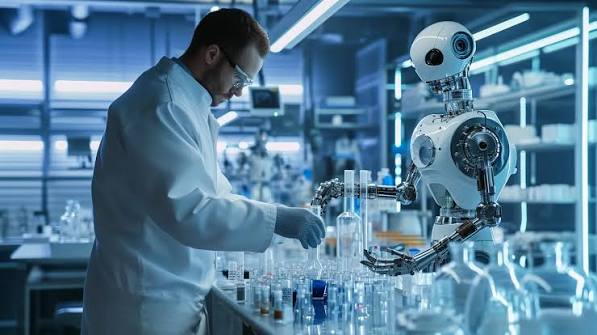
Traditional study methods have several important advantages. Textbooks provide structured and reliable content, while classroom teaching allows students to learn directly from experienced teachers. Laboratory work develops practical skills that cannot be gained simply by reading or using an AI tool. Group discussions and face-to-face interaction also help students develop communication, teamwork, and critical-thinking abilities. Most importantly, traditional learning encourages students to solve problems independently.
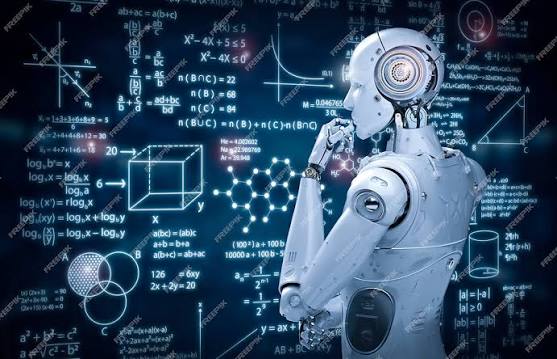
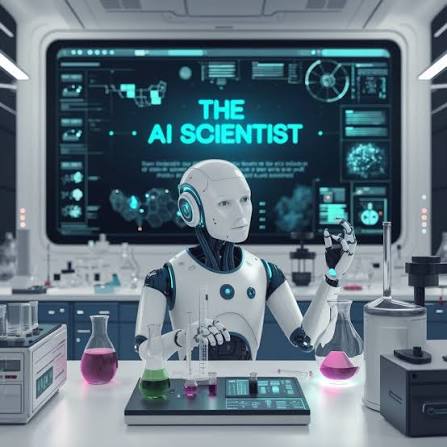
AI, however, offers speed and personalization. A student struggling with a difficult concept in Physics, Chemistry, Biology, or Mathematics can ask an AI tool for a simple explanation, examples, or step-by-step guidance. AI can also generate practice questions, create revision plans, and identify areas where a student needs more practice. For students who learn at different speeds, this personalized support can be extremely useful.
However, AI also has limitations. It may sometimes provide incorrect or incomplete information, and excessive dependence on AI can reduce independent thinking and problem-solving skills. Students may be tempted to copy answers instead of understanding concepts. Therefore, AI should be treated as a learning assistant, not a replacement for teachers, textbooks, laboratories, or personal effort.
The most effective approach is to combine both methods. Students can first learn concepts through teachers, textbooks, experiments, and their own notes. They can then use AI to clarify doubts, explore additional examples, test their understanding, and practice questions. This creates a balanced learning experience that combines human guidance with technological support.
In conclusion, the question is not really AI vs. traditional learning, but rather AI with traditional learning. Science students need knowledge, practical experience, curiosity, creativity, and critical thinking. AI can make learning faster and more personalized, while traditional methods provide depth, discipline, and human interaction. When used responsibly, the combination of both can prepare students for a smarter and more innovative future.