

Can Artificial Intelligence Replace the Human Brain?
Artificial Intelligence (AI) is transforming the world of science and technology. The rapid development of intelligent machines, advanced algorithms, and automated decision-making systems has made human life more convenient and efficient. However, an important question arises: Can Artificial Intelligence ever replaces the human brain?
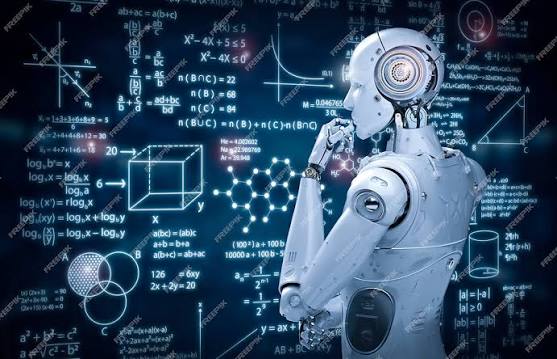
The human brain is one of the most complex and remarkable structures in nature. With approximately 86 billion neurons, it controls memory, imagination, emotions, creativity, reasoning, and decision-making. In contrast, AI can process enormous amounts of data, perform complex calculations, recognize patterns, and solve problems within seconds.
The Capabilities and Limitations of AI
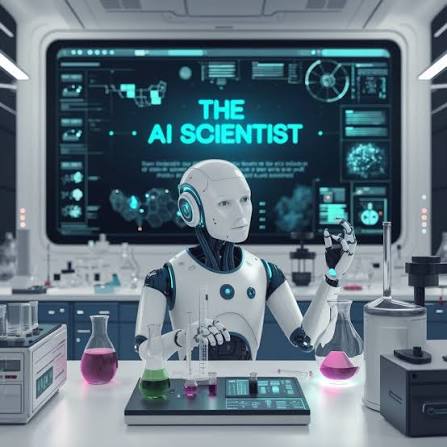
Today, AI is playing an increasingly significant role in healthcare, education, scientific research, industries, and space exploration. It assists doctors in disease detection, supports researchers in analyzing complex data, enables personalized learning, and automates repetitive tasks. Machine learning and deep learning have further enhanced the ability of computers to learn from data and improve their performance.
Despite these remarkable achievements, AI still differs fundamentally from the human brain. Human intelligence involves emotional understanding, moral judgment, imagination, empathy, intuition, and learning through personal experiences. Although AI can recognize emotions and generate human-like responses, this does not necessarily mean that machines genuinely experience feelings or possess human consciousness.
The Future of Humans and AI
The future will likely witness greater collaboration between humans and intelligent machines. In education, AI can provide personalized learning experiences, while teachers continue to inspire creativity, critical thinking, and ethical values. In healthcare, AI can assist medical professionals in diagnosis and research, while human expertise remains essential for compassionate patient care.
However, the growing influence of AI also raises important concerns regarding employment, data privacy, cybersecurity, ethical responsibility, and technological dependence. Therefore, responsible AI development must prioritize transparency, accountability, and human welfare.
Conclusion
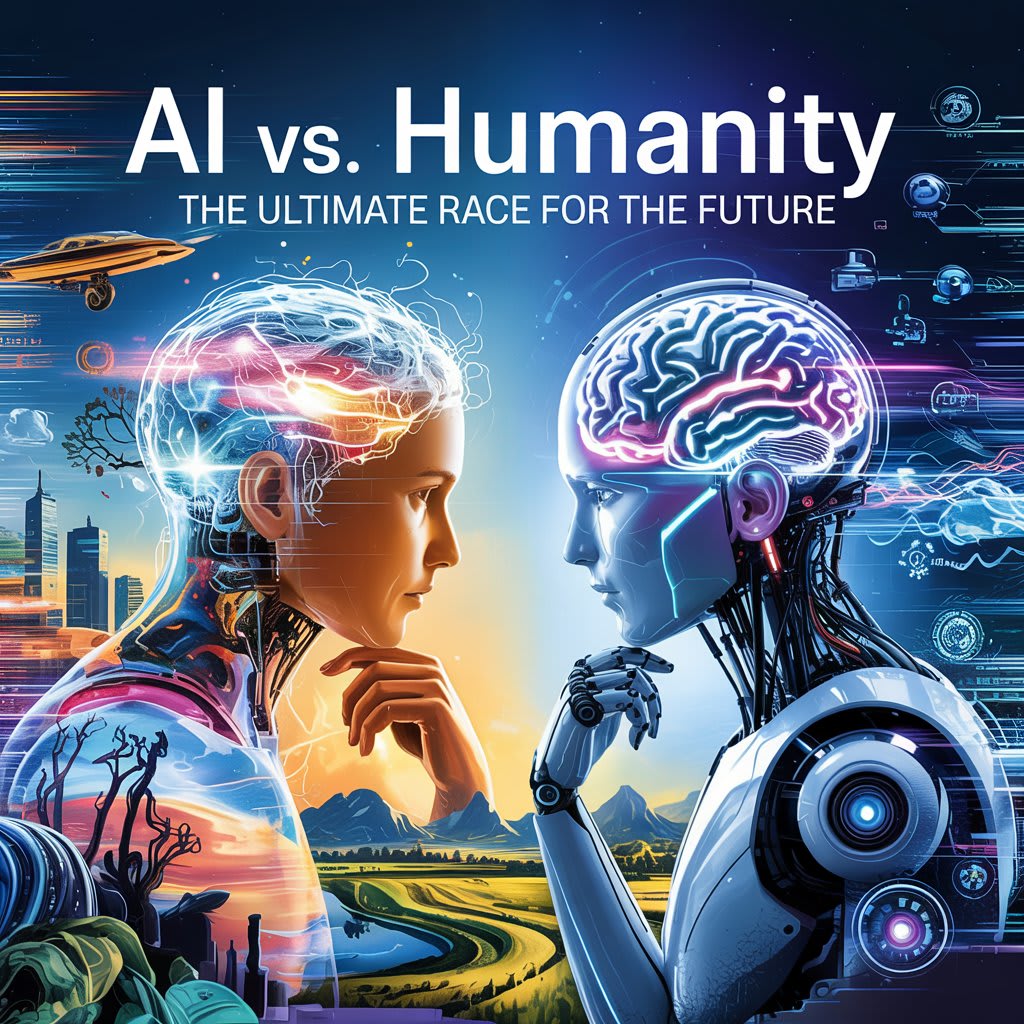
Artificial Intelligence should not be viewed merely as a competitor to human intelligence but as a powerful tool for enhancing human capabilities. Machines may outperform humans in certain computational tasks, but human creativity, emotional understanding, ethical reasoning, and social relationships remain distinctive characteristics of human intelligence.
The real future of intelligence lies not in replacing the human brain with artificial intelligence, but in combining technological innovation with human wisdom to build a smarter, safer, and more sustainable world.