


Essential AI Skills Every Science Student Needs
Essential AI Skills Every Science Student Needs
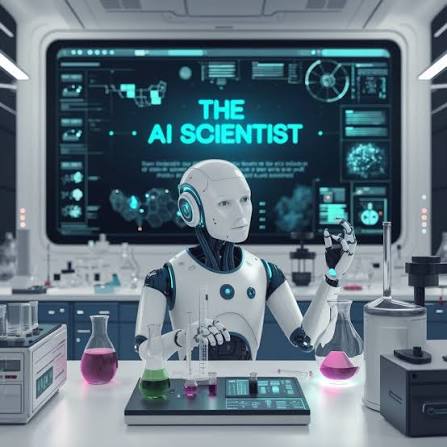
Artificial Intelligence (AI) is transforming science education and research by making learning, experimentation, and data analysis more efficient. Today, AI is used in laboratories, healthcare, environmental studies, engineering, and scientific discovery.
1. AI Literacy
The first essential skill is understanding the basics of Artificial Intelligence.
Students should learn:
- What AI is and how it works
- Types of AI and Machine Learning
- Real-world AI applications in science
- Benefits and limitations of AI
A strong foundation helps students use AI tools effectively and responsibly.
2. Research and Information Retrieval
Science students should know how to use AI-powered research tools to find reliable academic information.
Important abilities include:
- Searching scientific literature
- Finding peer-reviewed research papers
- Summarizing research articles
- Comparing scientific evidence
- Managing references efficiently
These skills save time and improve research quality.
3. Data Analysis Skills
Modern science generates large amounts of data. AI helps organize and analyze this information quickly.
Students should learn to:
- Interpret scientific datasets
- Create charts and graphs
- Draw evidence-based conclusions
These skills are valuable across all scientific disciplines.
4. Scientific Writing with AI
AI writing assistants can improve academic communication, but students must know how to use them ethically.
Key writing skills include:
- Drafting research reports
- Improving grammar and clarity
- Organizing scientific content
Good writing improves the quality and credibility of scientific work.
5. Prompt Writing Skills
The quality of AI responses depends on the questions asked. Learning to write clear prompts helps students obtain accurate and useful answers.
Effective prompts should:
- Be specific and detailed
- Provide enough context
- Request explanations step by step
- Ask for examples when needed
Prompt writing has become an important digital skill for AI users.
6. Coding and Computational Thinking
Basic programming knowledge helps students use AI more effectively.
Useful programming skills include:
- Python fundamentals
- Data visualization
- Scientific computing
- Basic machine learning concepts
- Problem-solving through algorithms
Even basic coding can greatly enhance research capabilities.
7. Ethical and Responsible AI Use
Science students must understand the ethical responsibilities of using AI.
Always remember to:
- Verify AI-generated information
- Avoid plagiarism
- Protect sensitive data
- Cite sources properly
- Use AI as a learning assistant, not a replacement for independent thinking
Benefits of Learning AI Skills
Students who develop AI skills can:
- Learn faster and more efficiently
- Improve research productivity
- Solve scientific problems more effectively
- Create high-quality assignments and presentations
- Stay competitive in higher education and STEM careers
- Adapt to emerging technologies
Conclusion
AI is becoming an essential part of science education, making AI literacy a valuable skill for every science student. By learning research techniques, data analysis, scientific writing, prompt engineering, basic coding, and ethical AI practices, students can enhance their academic performance and prepare for future careers in science and technology. AI is not replacing scientific knowledge or critical thinking—it is a powerful tool that helps students learn smarter, conduct better research, and contribute to future scientific innovation.