


How AI is Transforming Science Education
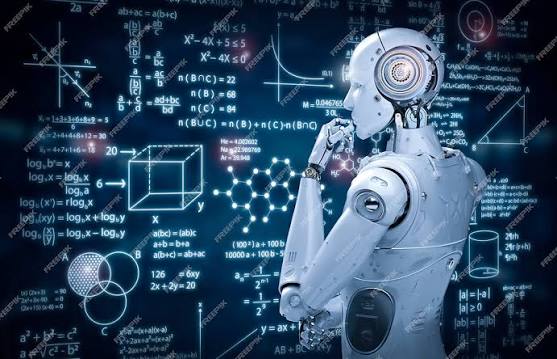
How AI is Transforming Science Education: Artificial Intelligence (AI) is revolutionizing science education by changing the way students learn, teachers teach, and researchers conduct scientific investigations.
Why AI is Important in Science Education: AI helps make science learning more effective by:
- Personalizing learning experiences
- Simplifying complex scientific concepts
- Supporting scientific research
- Improving data analysis
- Enhancing scientific communication
- Saving time through automation
1. Personalized Learning: Every student learns at a different pace. AI-powered learning platforms adapt lessons according to individual strengths and weaknesses. Students receive customized explanations, practice questions, and instant feedback, making learning more engaging and effective.
Benefits include:
- Customized study plans
- Instant feedback
- Better understanding of difficult topics
- Improved learning outcomes
2. Simplifying Complex Scientific Concepts: Subjects like Physics, Chemistry, Biology, and Mathematics often involve difficult theories and calculations. AI assistants explain these topics in simple language, provide step-by-step solutions, generate diagrams, and answer questions instantly.
Examples:
- Explaining chemical reactions
- Solving mathematical equations
- Illustrating biological processes
- Demonstrating physical laws
3. Supporting Scientific Research: AI-powered research tools help students and researchers find relevant academic papers, summarize lengthy articles, and identify important findings. This reduces the time spent on literature reviews and allows more focus on experimentation and innovation.
Research benefits include:
- Faster literature reviews
- Easy access to scientific journals
- Quick research summaries
- Better organization of references
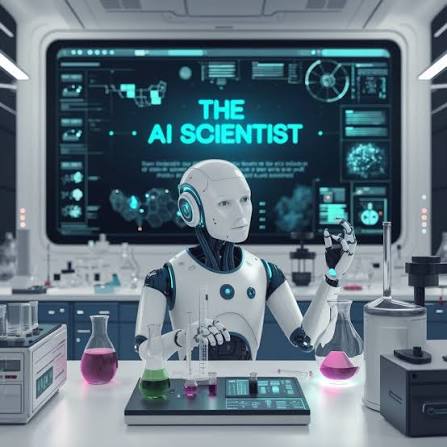
4. Virtual Laboratories and Simulations: AI enables students to perform virtual experiments in a safe and interactive environment. These simulations improve practical understanding without requiring expensive laboratory equipment.
Advantages include:
- Safe experimentation
- Cost-effective learning
- Better visualization of scientific processes
- Hands-on practice anytime
5. Improved Data Analysis: Science students often work with large datasets. AI tools can organize information, identify patterns, generate graphs, and perform statistical calculations quickly and accurately.
This helps students spend more time interpreting results rather than performing repetitive calculations.
6. Better Scientific Communication: AI also improves scientific writing and presentations by helping students:
- Write research papers
- Prepare laboratory reports
- Improve grammar and clarity
- Create presentations, charts, and infographics
These tools make scientific findings easier to understand and communicate.
Responsible Use of AI: Although AI offers many advantages, it should be used responsibly.
Students should:
- Verify AI-generated information using trusted scientific sources.
- Read original research papers whenever possible.
- Cite references correctly.
- Avoid plagiarism.
- Use AI to support learning rather than replace independent thinking.
Future of AI in Science Education: The future of science education will increasingly rely on AI-driven technologies, including:
- Intelligent tutoring systems
- Adaptive assessments
- Virtual laboratories
- Automated data analysis
- Personalized learning platforms
Conclusion
Artificial Intelligence is transforming science education by personalizing learning, simplifying complex concepts, supporting research, improving data analysis, and enhancing scientific communication. When used responsibly, AI empowers students to learn more efficiently, develop critical thinking skills, and prepare for successful careers in Science, Technology, Engineering, and Mathematics (STEM). Rather than replacing scientists or teachers, AI serves as a powerful partner that enhances education and drives future scientific innovation.