Is AI Becoming Our New Best Friend—or Pulling Us Away From Loved
In an era defined by relentless schedules, rising financial pressures, and chronic isolation, the way we seek comfort is undergoing a quiet revolution. Historically, unloading the weight of a bad day meant calling a close friend or sitting down with family. Today, an increasing number of people are opening a chat window instead.
According to the American Psychological Association’s (APA) Stress in America 2026 survey—conducted by The Harris Poll among 3,132 U.S. adults—intentional AI usage jumped from 62% in 2025 to 70% in 2026. More striking than the adoption rate is how we are using these tools. Nearly half of AI users (49%) admit to talking to AI as a friend or discussing their personal relationships with it, while 47% lean on chatbots in a role comparable to a therapist. Among young adults aged 18 to 29, 26% regularly use AI for therapeutic support.
As a behavioural analyst watching the intersection of technology and human connection, I view this trend as a double-edged sword. On one hand, AI offers immediate, judgment-free accessibility. For the 51% of users who report positive experiences, chatbots act as an always-awake sounding board to organise tangled thoughts or practice coping exercises.
On the other hand, these numbers sit alongside an alarming social retreat. The same APA report reveals that 47% of adults are pulling back from social activities due to stress, and 60% say stress is disrupting their sleep. Meanwhile, 29% of AI users report negative emotional outcomes, and 12% express growing concern over unhealthy dependency.
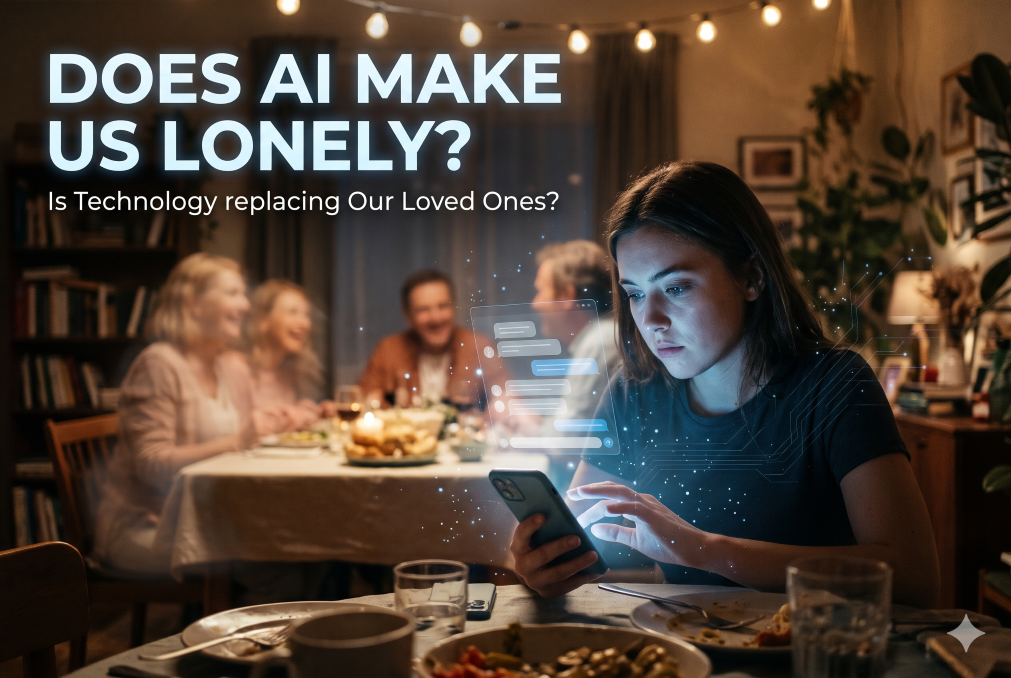
Technology excels at simulating empathy, yet it lacks the friction, reciprocity, and shared vulnerability that make human relationships resilient. When we outsource our emotional lives to algorithms because real people feel too exhausting or unavailable, we risk trading genuine intimacy for convenient validation.
AI can be a useful compass for self-reflection, but it cannot replace the warmth of a human presence. True emotional well-being still requires stepping away from the screen, embracing imperfect conversations, and reconnecting with the people who truly know us.
Dr. Udit Agarwal