Smart Nanomedicine: The Future of Targeted and Stimuli-Responsive Drug Delivery
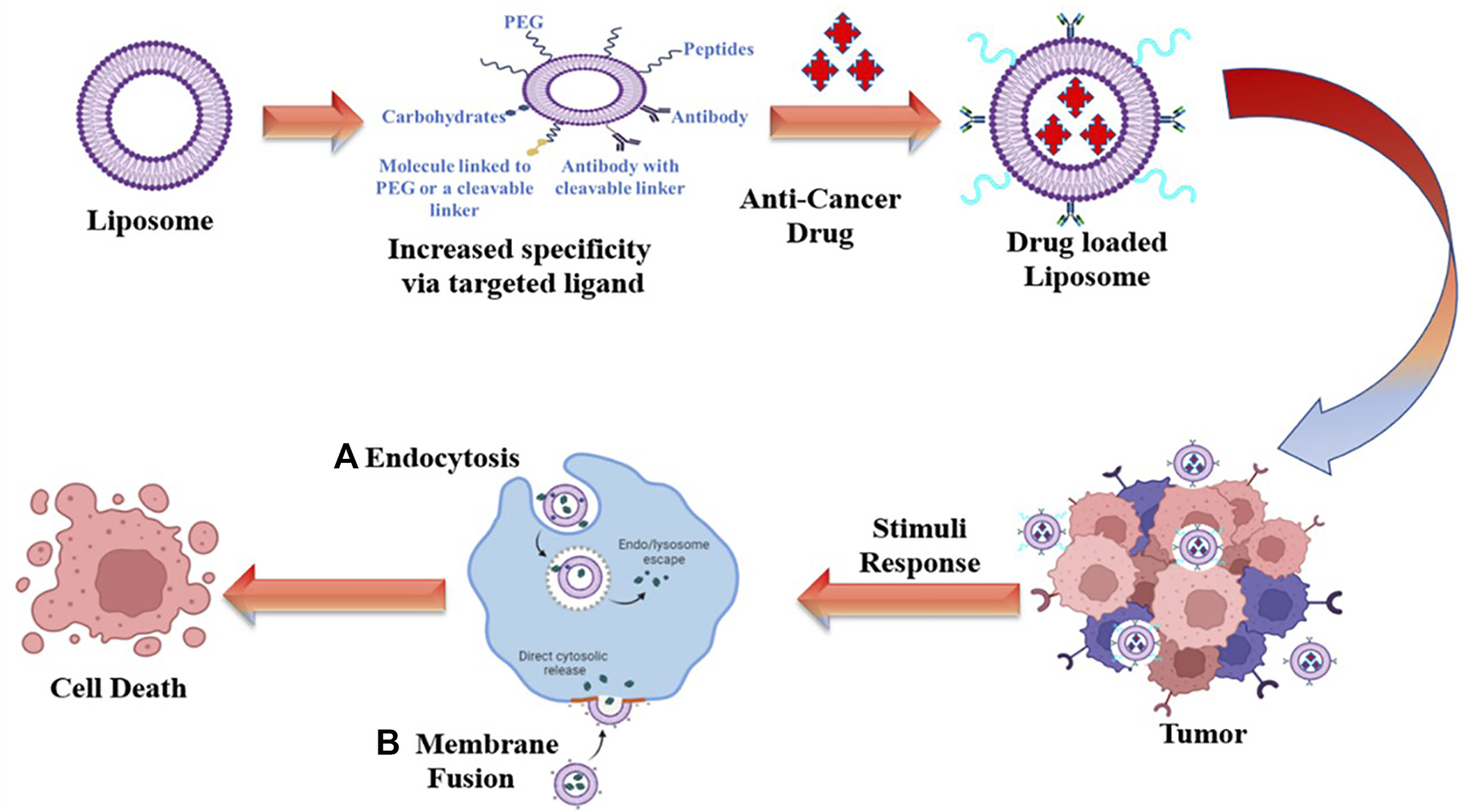
Introduction Nanotechnology is opening new possibilities in pharmaceutical sciences. Smart nanomedicine uses nanoscale carriers designed to transport medicines and, in some cases, release them in response to particular biological conditions or externally applied signals. These systems are being investigated to improve where and when a drug is released, especially in complex diseases such as cancer. Although many approaches remain under research, some nanomedicine platforms have already reached clinical use. What Is Smart Nanomedicine? Smart nanomedicine refers to the use of engineered nanoscale materials—such as liposomes, polymeric nanoparticles, lipid nanoparticles, nanogels and inorganic nanoparticles—for medical diagnosis or treatment. A smart carrier may be designed to recognise a target, respond to a stimulus, protect a drug during transport or control the release of its payload. The term “smart” describes the intended function of the system; it does not mean that every nanoparticle can independently identify disease. HPolymeric nanoparticles and nanogels: Polymer-based systems that can be engineered for controlled or stimulus-triggered release. • Lipid nanoparticles: Important carriers for nucleic-acid medicines and other therapeutic payloads. • Metallic and inorganic nanoparticles: Materials such as iron oxide or hafnium-based nanoparticles are being explored for imaging or stimulus-assisted treatment. •
Applications in Pharmacy and Medicine • Oncology: Research focuses on delivering anticancer medicines to tumours and controlling drug release to reduce exposure of healthy tissues. • Nucleic-acid delivery: Lipid nanoparticles can carry RNA-based medicines and help protect fragile genetic material. • Infection and inflammation: Nanocarriers are being studied for delivery of antimicrobial and anti-inflammatory agents. • Imaging and diagnosis: Some nanoparticles can support contrast enhancement or combined diagnostic and therapeutic approaches (theranostics). • Precision therapy: Targeted and stimulus-responsive platforms may help tailor delivery to disease features, where supported by evidence. Benefits and Potential Advantages • Drug protection: Some carriers can protect sensitive drugs from degradation. • Controlled release: Formulations may be designed to change the rate or location of drug release. • Improved delivery: Nanocarriers can alter drug distribution and may increase exposure at selected tissues. • Flexible design: Carrier size, surface chemistry, composition and release behaviour can be adjusted for a specific purpose. • Combination approaches: A single platform may be designed to carry more than one therapeutic or diagnostic component. Challenges and Limitations Smart nanomedicines are complex products. Their behaviour can be affected by particle size, size distribution, shape, surface properties, drug loading, stability and interactions with biological fluids. Other challenges include immune reactions, toxicity, batch-to-batch reproducibility, large-scale manufacturing, storage, cost and regulatory assessment. Results observed in laboratory or animal studies do not always translate into clinical benefit. Each product needs appropriate quality, safety and efficacy evaluation. Role of Pharmacists Pharmacists contribute to nanomedicine research, formulation development, quality control, stability testing, pharmacokinetic evaluation and patient counselling.