How Supermarkets Make You Spend More: The Psychology Behind Shopping
Have you ever entered a supermarket to buy just milk and bread but walked out with a shopping trolley full of groceries worth ₹2,000 or more?
This is not always accidental. Supermarkets are carefully designed using consumer psychology, behavioural economics, sensory marketing and visual merchandising to encourage customers to spend more.
- Let's understand the tricks supermarkets use:
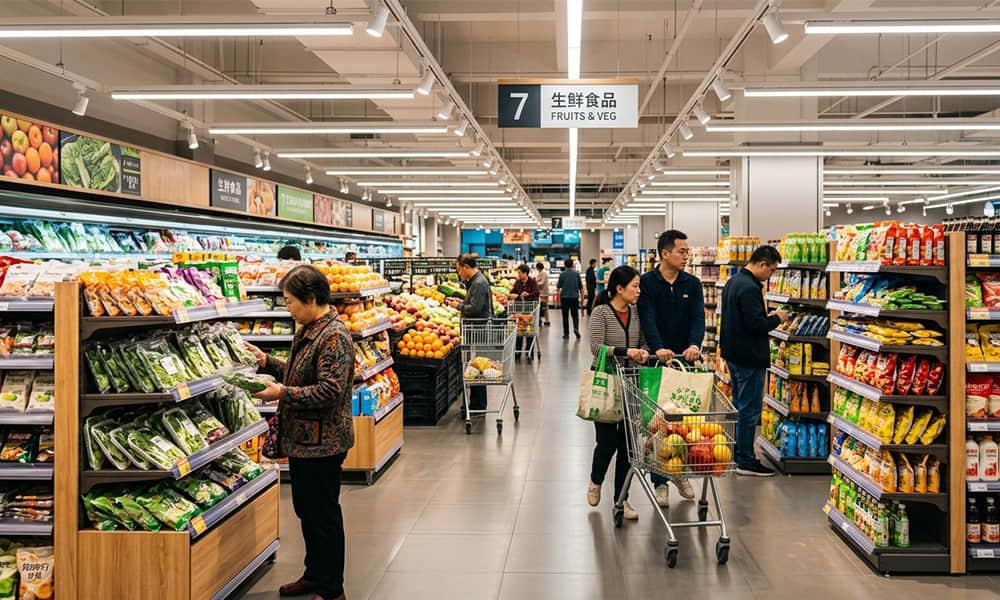
The Store Layout Strategy: Essential products like milk, bread and eggs are often placed at the back.Customers have to walk through several aisles to reach them. While walking, they encounter hundreds of other products.
Psychology: The more products customers see, the greater the possibility of impulse purchases.
The Shopping Trolley Trick: Large trolleys create a perception that you haven't purchased enough. Customers unconsciously try to fill the empty space. A half-filled trolley may encourage additional purchases.
Psychology: Visual perception influences buying behaviour.
Attractive Discounts and Offers: Buy 1 Get 1 Free, Flat 50% Off, Buy 3 at ₹199 instead of ₹80 each, Limited-period offers.
Suppose you need only one shampoo worth ₹100, but the supermarket offers two for ₹150. You spend ₹50 extra on something you may not need.
Psychology: Customers focus on the perceived savings rather than the actual expenditure.
Products at Eye Level: Expensive and high-margin products are often placed at eye level. Cheaper alternatives may be placed on lower shelves. Attractive packaging captures attention.
Psychology: Customers tend to notice and select products that are easiest to see.
Impulse Buying Near the Billing Counter: While waiting for billing, customers encounter: Chocolates, Chewing gum, Small toys, Batteries, Snacks
These products are relatively inexpensive, so customers often add them without much thought.
Psychology: This is known as impulse buying.
The ₹99 Pricing Strateg: Have you noticed prices such as:
- ₹99 instead of ₹100
- ₹499 instead of ₹500
- ₹1,999 instead of ₹2,000
Customers tend to perceive ₹499 as significantly cheaper than ₹500, even though the difference is just ₹1.
Psychology: Psychological Pricing or Charm Pricing.
Cross-Selling and Product Placement: Supermarkets often place complementary products close to each other.
Examples:
- Bread near butter and jam.
- Pasta near pasta sauce.
- Chips near soft drinks.
- Coffee near cookies.
Psychology: When customers purchase one product, they are encouraged to purchase related products.
The Key Management Lesson:
Supermarkets do not simply sell products; they design shopping experiences that influence consumer decisions.
The ultimate objective is not merely to increase footfall but to increase the average basket value, purchase frequency and customer lifetime value.
This is a fascinating example of how Marketing, Psychology and Behavioural Economics work together in the real business world.
Dr. (CMA) RITESH AGARWAL
DEAN (MANAGEMENT & COMMERCE)